Nobody plans for a crash. But when one happens — especially one involving a commercial truck — what you do in the minutes, hours, and days afterward can affect your safety, your rights, and your recovery. Whether you’re a professional truck driver or a motorist involved in a collision with a commercial vehicle, here’s what you should know.
This isn’t legal advice. It’s practical guidance to help you stay safe, stay calm, and handle one of the worst moments on the road with clarity.
For Commercial Drivers: What to Do After a Crash
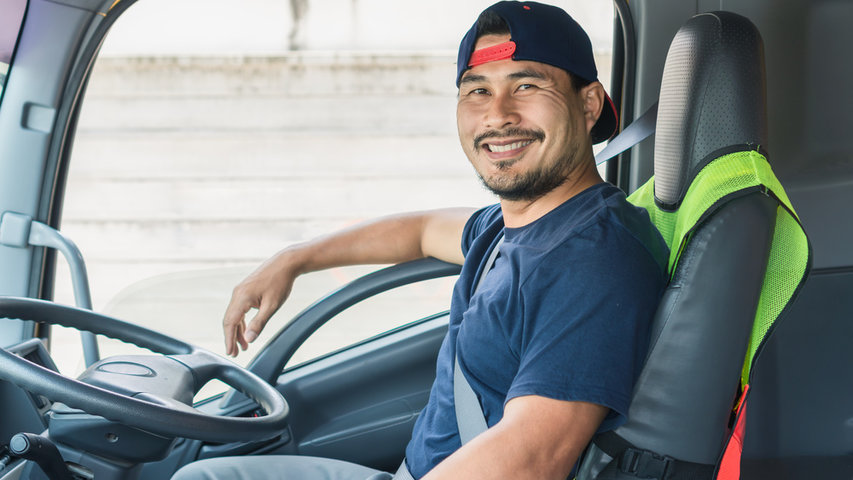
At the Scene
- Stop immediately and secure the scene. Turn on hazard lights. If it’s safe to do so, set out reflective triangles or flares. Do not leave the scene under any circumstances.
- Check for injuries. Check yourself first, then others. Call 911 immediately if anyone is injured — even if injuries seem minor. Adrenaline masks pain.
- Move to safety if possible. If your truck is drivable and blocking traffic in a dangerous location, move it to the shoulder. If not, stay in your cab with your seatbelt on until help arrives.
- Call your carrier/dispatcher. Report the crash immediately. Your company has protocols and legal requirements that begin the moment a crash occurs.
- Cooperate with law enforcement. Provide your CDL, registration, insurance, and medical card. Answer questions truthfully and factually. Stick to what happened — not opinions or speculation about fault.
- Document everything you can. If it’s safe:
- Take photos of all vehicles, damage, road conditions, traffic signals, and skid marks
- Note the time, weather, and road conditions
- Get contact information from any witnesses
- Write down what happened while it’s fresh in your memory
- Do not admit fault or apologize. It’s natural to want to say “I’m sorry” — you’re human. But at a crash scene, those words can be interpreted as an admission of liability. Stick to the facts.
After the Scene
- Post-crash drug and alcohol testing. Under FMCSA regulations, you may be required to undergo a drug and alcohol test within specific timeframes after a crash (generally within 32 hours for drugs and 8 hours for alcohol). Do not consume any alcohol between the crash and testing.
- Seek medical attention. Even if you feel fine, get checked out. Soft tissue injuries, concussions, and internal issues may not present symptoms immediately.
- File required reports. FMCSA requires carriers to maintain accident registers for any crash involving a tow-away, injury, or fatality. Your carrier will handle the filing, but make sure your account of events is thorough and accurate.
- Take care of yourself emotionally. Being involved in a serious crash — especially one with injuries or fatalities — is traumatic. There is no weakness in seeking help. Talk to family, a counselor, or a peer support line. Many carriers offer Employee Assistance Programs (EAPs) for this reason.
For Motorists: What to Do After a Crash with a Commercial Truck

At the Scene
- Get to safety first. If your vehicle is drivable, move it off the road. If not, turn on hazards and stay inside with your seatbelt fastened — especially on highways. Being outside a disabled vehicle on a highway is extremely dangerous.
- Call 911. Always call, even for minor-seeming crashes. When a commercial truck is involved, a police report is essential for insurance and any future claims.
- Check on all passengers. Attend to anyone who needs immediate medical attention. Don’t move anyone who might have a spinal injury unless there’s an immediate danger (fire, traffic).
- Exchange information. Get the truck driver’s:
- Name and CDL number
- Trucking company name and contact information
- Insurance information
- Truck number and license plate
- USDOT number (displayed on the truck’s door)
- Document the scene. Take photos and video of:
- All vehicles from multiple angles
- The truck’s USDOT number and company markings
- Damage to all vehicles
- Road conditions, traffic signs/signals, weather
- Any visible skid marks or debris
- Get witness information. Other drivers who saw what happened can provide crucial accounts. Get names and phone numbers before they leave.
- Do not discuss fault at the scene. Just as with the truck driver — be factual, not speculative. Don’t say “I didn’t see you” or “It was my fault.” Let the investigation determine what happened.
After the Scene
- See a doctor within 24-48 hours. Many crash injuries — whiplash, concussions, internal bleeding — don’t show symptoms immediately. A medical record started early protects both your health and your ability to seek compensation later.
- Notify your insurance company. Report the crash promptly. Provide facts but let the adjuster handle the investigation.
- Keep records of everything. Medical bills, repair estimates, rental car costs, missed work days, and any correspondence with insurance companies. Organization now prevents headaches later.
- Be cautious with early settlement offers. Insurance companies representing the trucking company may contact you quickly with a settlement. Before accepting anything, understand the full extent of your injuries and damages. Consider consulting with an attorney if injuries are significant.
- Give yourself grace. A crash with a commercial truck is frightening. Anxiety about driving, trouble sleeping, and emotional distress are all normal responses to an abnormal event. Talk to someone. It helps.
The Human Side
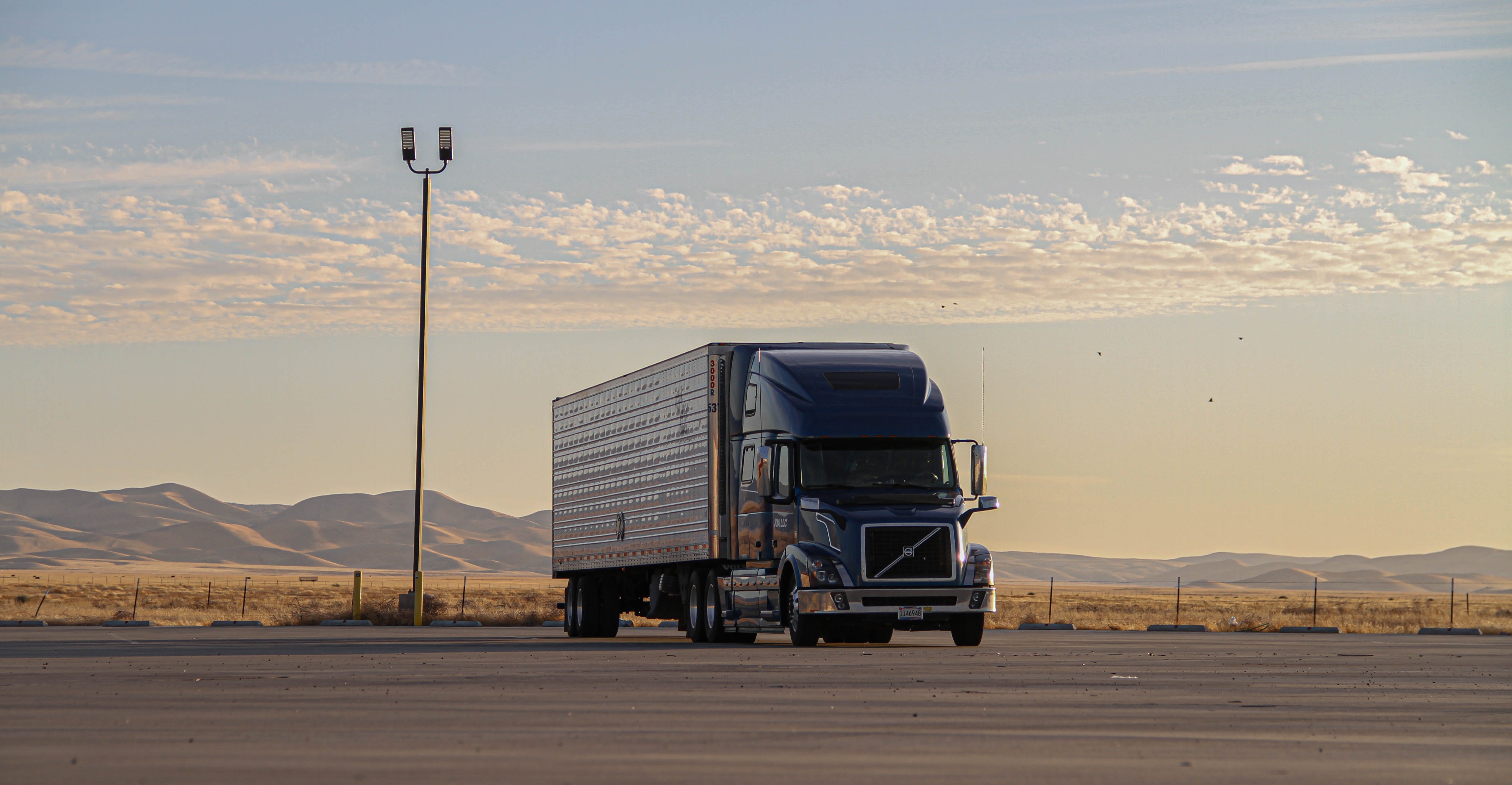
Regardless of which seat you were in — the cab of a truck or the driver’s seat of a car — a crash changes you. Dave Fons was killed at an intersection by a truck that ran a red light. His family knows firsthand that the aftermath of a crash extends far beyond the scene itself. It reaches into families, workplaces, and communities for years.
That’s why this organization exists: not just to prevent crashes, but to support people when they happen.
- Resources for crash survivors and families
- Resources for trucking professionals
- Support the mission — your involvement helps fund safety training, driver recognition, and survivor assistance
No one should have to go through a crash alone. And no crash should happen that could have been prevented. That’s the world we’re driving toward.