Numbers can tell a misleading story if you only hear part of them. When it comes to commercial trucks, the headlines focus on crashes and fatalities. And those numbers are real — every life lost on our roads is a tragedy. But the full picture tells a more nuanced story: one of millions of professional drivers doing extraordinary work every day, covering billions of miles safely.
At the Dave Fons Memorial Fund, we believe in honesty. Here are the real numbers — what they mean, and where we can still do better.
The Scale of American Trucking
Before talking about crashes, you need to understand the sheer volume of what’s being moved safely:
- 3.58 million professional truck drivers on the road (ATA, 2024)
- 329.86 billion miles driven by commercial trucks in 2023 (ATA)
- 11.27 billion tons of freight transported in 2024 (ATA)
- 72.7% of the nation’s freight by weight moves by truck (ATA)
- Nearly 580,000 active motor carriers registered with FMCSA
Every product on every shelf in every store got there on a truck. The medicine in your cabinet, the fuel in your tank, the materials that built your home — all of it carried by professional drivers across hundreds of billions of miles.
The Crash Numbers in Context
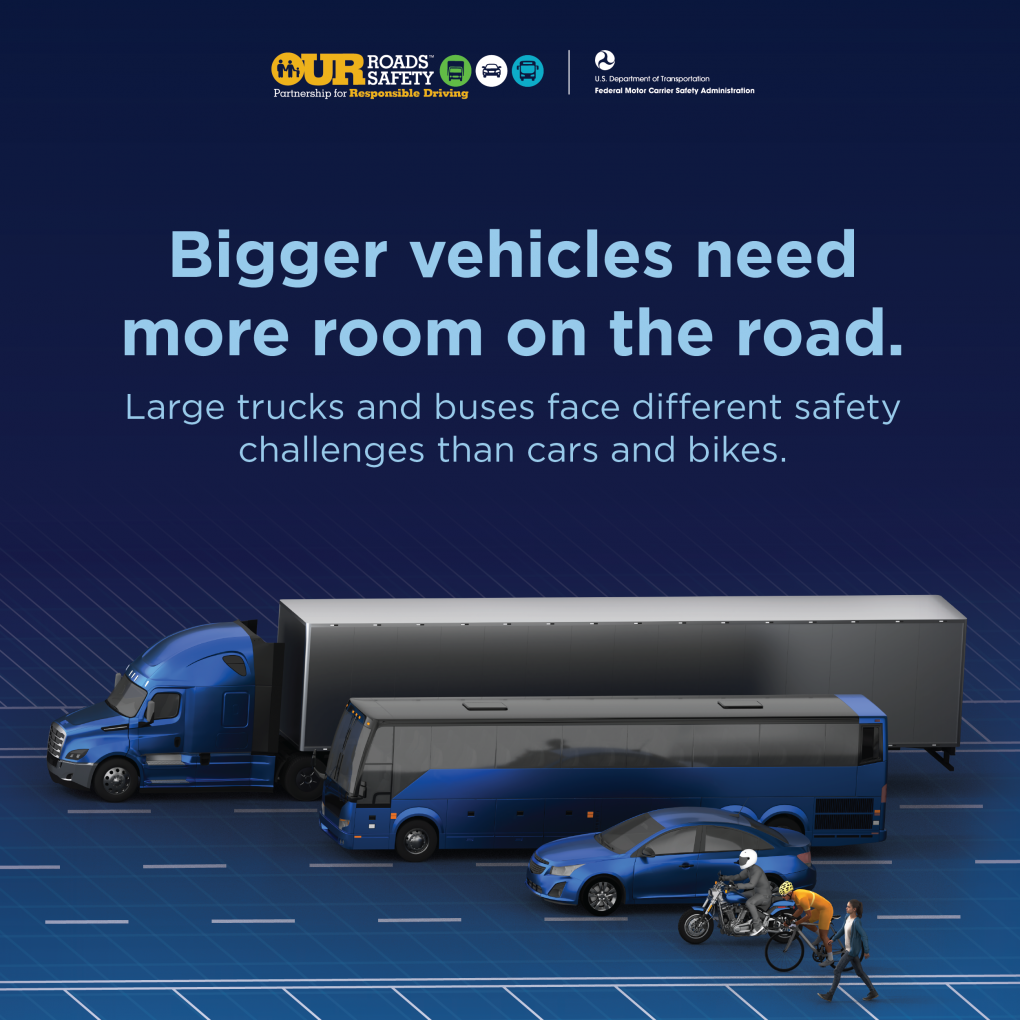
In 2023, 4,354 people died in crashes involving large trucks, according to the Insurance Institute for Highway Safety (IIHS). Every one of those deaths is unacceptable. But context matters:
- Large trucks accounted for 5% of registered vehicles and 10% of all vehicle miles traveled (IIHS, 2023)
- The fatal crash rate for large trucks is 1.3 per 100 million miles, compared to 1.6 per 100 million miles for passenger vehicles (IIHS, 2023)
- That means, mile for mile, commercial trucks are involved in fewer fatal crashes than passenger cars
When you consider that trucks drive twice their proportional share of miles (10% of miles with 5% of vehicles), and still maintain a lower per-mile crash rate, the professionalism of the commercial driving workforce becomes clear.
Who Is at Risk?
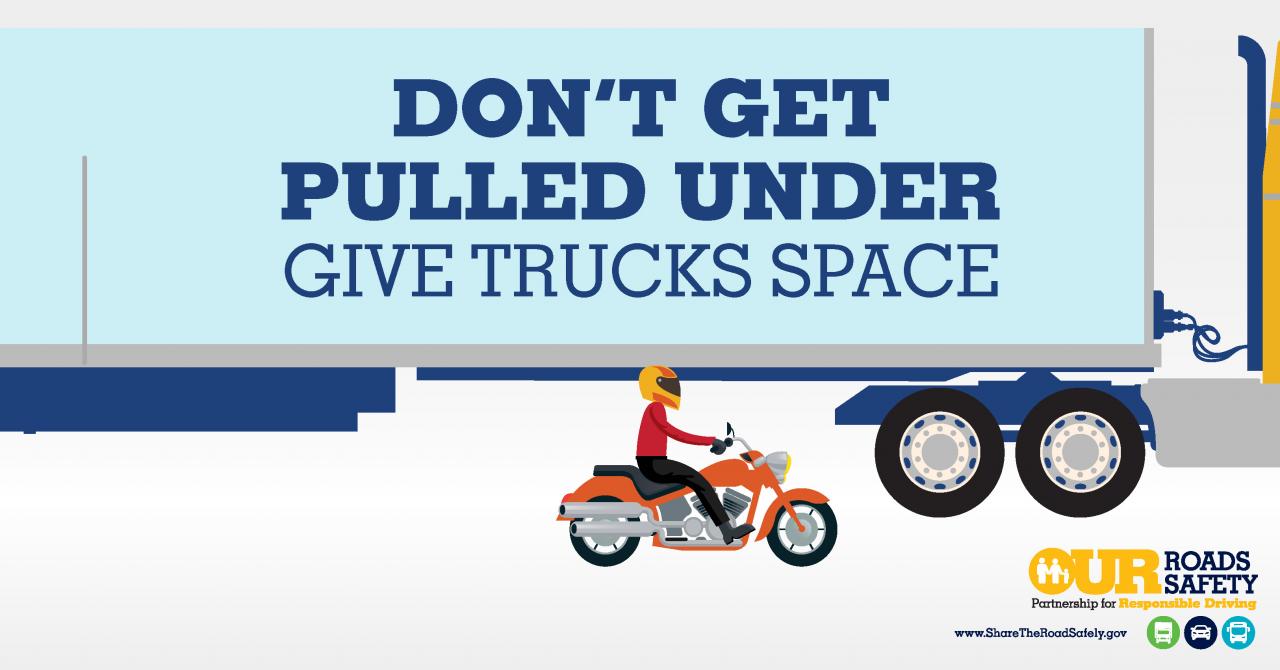
The physics of a collision between an 80,000-pound truck and a 4,000-pound car are brutally one-sided. Of the 4,354 people killed in large truck crashes in 2023 (IIHS):
- 65% were occupants of passenger vehicles (approximately 2,830 people)
- 17% were pedestrians, bicyclists, or motorcyclists (approximately 740)
- 16% were truck occupants (approximately 696)
This is why truck safety isn’t just an industry issue — it affects everyone who shares the road. When crashes happen, it’s overwhelmingly the people in smaller vehicles who pay the highest price.
Who Causes the Crashes?
This is where the data challenges common assumptions. Multiple studies consistently show that in crashes between trucks and passenger vehicles, the passenger vehicle driver is more often the contributing factor:
- The FMCSA Large Truck Crash Causation Study found that driver-related factors were coded for 54% of passenger vehicle drivers in fatal crashes, compared to only 33% of truck drivers
- A University of Michigan Transportation Research Institute (UMTRI) study found car drivers were at fault in 70% of fatal car-truck collisions
- The same FMCSA data showed that fatigue was coded twice as often for passenger vehicle drivers as for truck drivers, and illegal drug use and alcohol involvement were far more common among car drivers than truck drivers in these crashes
This doesn’t mean the trucking industry gets a pass. Every crash that is the truck driver’s fault is preventable. But it does mean that solving truck crash fatalities requires educating all drivers — not just truckers.
Where We Can Still Improve
Even with a lower per-mile crash rate and lower fault attribution, the trucking industry has work to do:
- Equipment maintenance. A North Carolina study found brake defects in 42% of crash-involved trucks, and severe brake defects tripled crash risk (IIHS).
- Hours and fatigue management. While electronic logging devices have improved compliance, the pressure to deliver on schedule remains a factor.
- Training quality. As we explored in our post on the driver shortage, inexperienced drivers with fewer than 5 years on the road are 41% more likely to be involved in crashes (FMCSA).
- Technology adoption. Collision-mitigation systems, automatic emergency braking, lane departure warnings, and stability control systems save lives — but adoption isn’t universal.
What You Can Do
Whether you drive a truck or a sedan, these numbers are a call to shared responsibility:
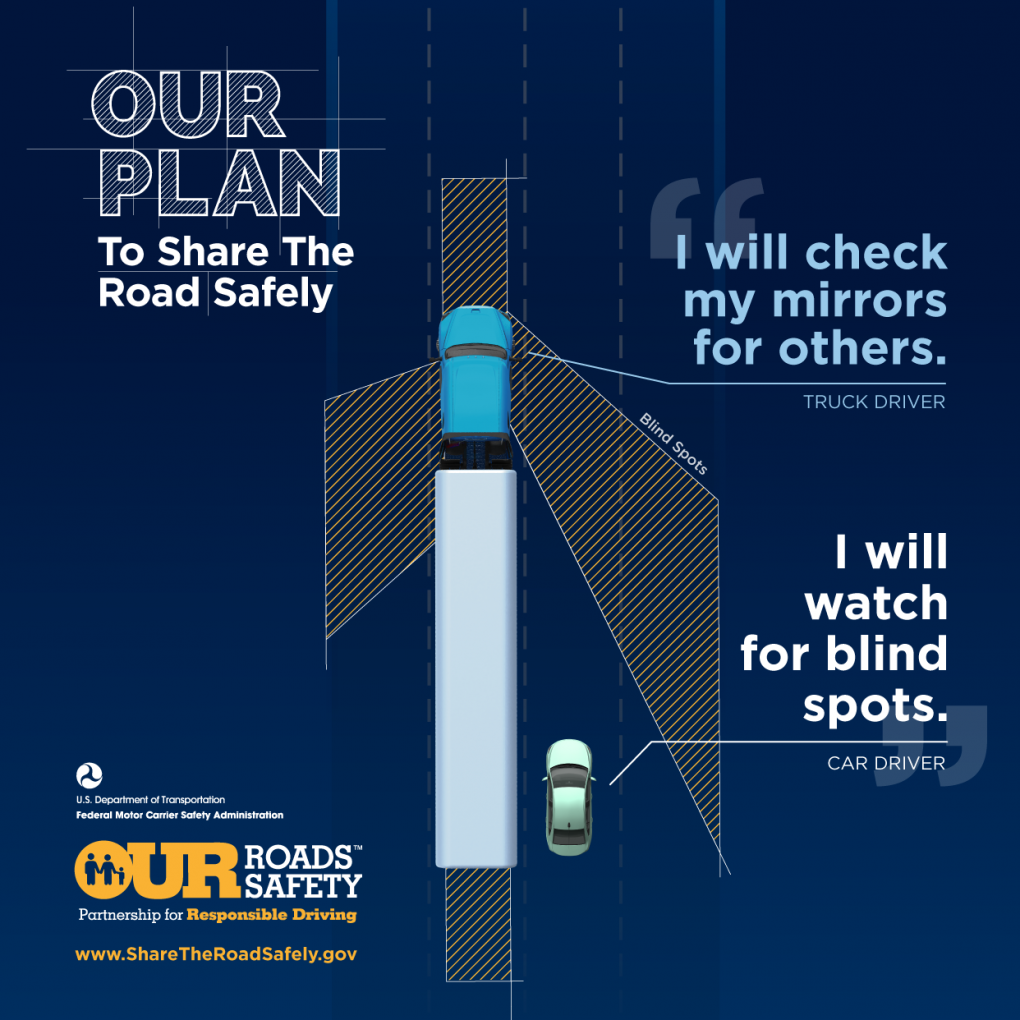
- If you drive a car: Learn how to share the road safely with trucks. Understand blind spots, stopping distances, and intersection safety.
- If you drive a truck: Keep your skills sharp, your equipment maintained, and your rest taken. Nominate a colleague who sets the standard for safe driving.
- If you support the mission: Get involved with the Dave Fons Memorial Fund. Every dollar supports scholarships, safety training, and driver recognition.
4,354 deaths is 4,354 too many. But with 329 billion miles driven safely every year by millions of professionals, we know what good looks like. The goal is to make it universal. Drive toward ZERO.